
With Clear Signs That Roadside Help Is the Safer Choice
A flat tire can happen at any time. It may occur on a busy highway or late at night. Some drivers attempt a quick fix on the shoulder. Others wait and hope the tire holds air. Knowing when outside help is needed keeps you safe and avoids more damage. Calling a tow truck is not a failure or overreaction. It is often the smart step when conditions are unsafe or repairs are not possible. This guide explains clear signs that help you decide fast and act with confidence.
With Safety Risks That Make Stopping Dangerous
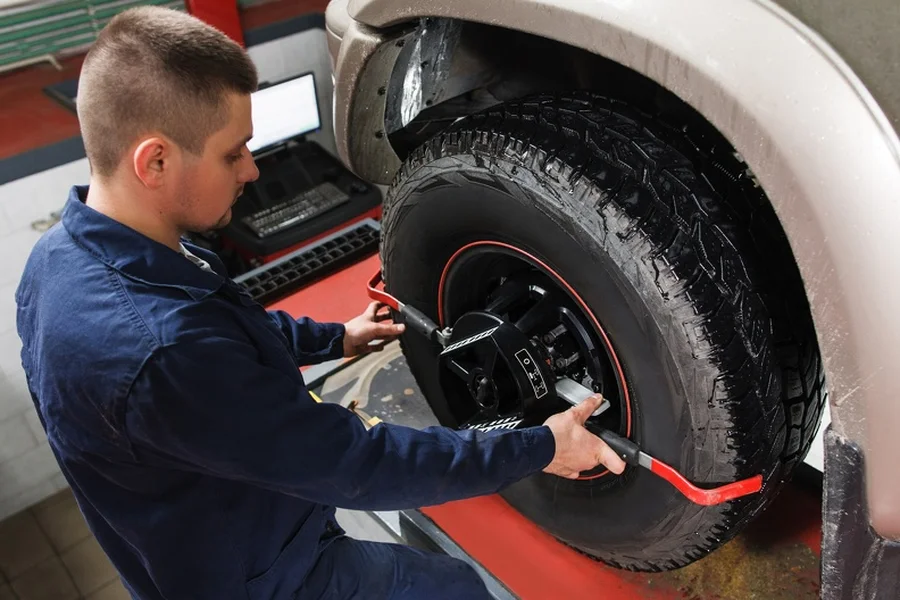
Safety should guide your choice first. If traffic moves fast or visibility is poor, stopping puts you at risk. Rain, snow, or fog reduce driver reaction time. Narrow shoulders leave no space for movement. In these cases, Tire Changing on the roadside can be unsafe. Staying inside your vehicle and calling for a tow protects your life. Law enforcement agencies report many roadside injuries each year. Most happen during simple repair attempts. A tow truck moves your vehicle to a safe area without delay.
With Limits of Tools, Strength, or Experience
Not every driver has the right tools or physical ability. Lug nuts may be rusted or overtightened. Spare tires may be missing or low on air. Some vehicles use locking lugs or special jacks. Tire Changing also requires strength and balance. If you feel unsure, stop. Forcing a repair can cause injury or wheel damage. Professional operators carry proper equipment and training. They finish the job quickly and correctly.
With Common Flat Tire Problems Drivers Face
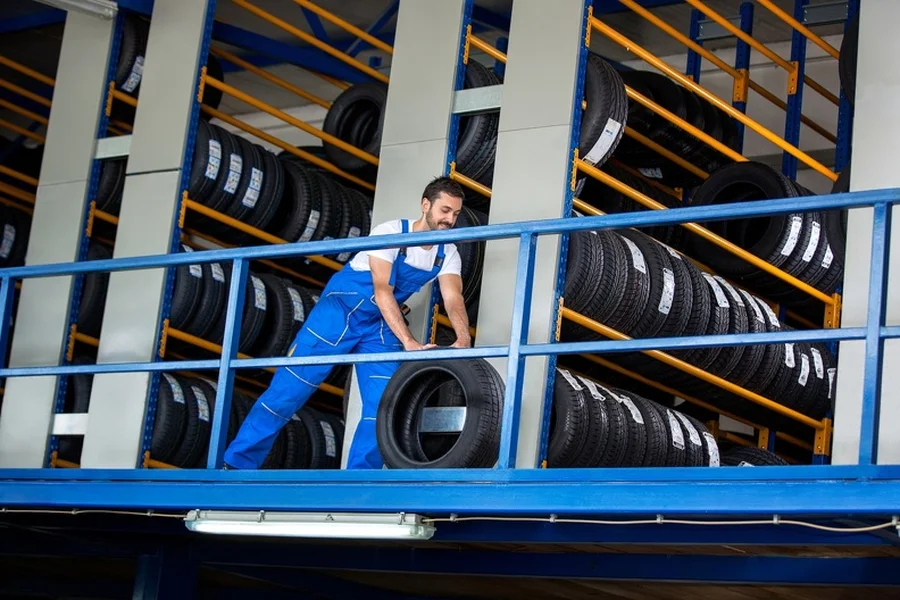
Many flats are more than simple punctures. Sidewall damage cannot be patched. Blowouts shred the tire and harm the rim. Low profile tires often fail after small impacts. These issues create stress and confusion. Drivers may wait too long or keep driving. That choice increases repair costs and risk. Understanding these problems helps you respond early and avoid worse outcomes.
With Clear Steps to Decide What to Do Next
- Slow down and move to a safe location if possible.
- Turn on hazard lights and assess traffic and weather.
- Check the tire for visible damage or total deflation.
- Review available tools and spare tire condition.
- Call for towing if any step feels unsafe or uncertain.
With Pros and Cons of Towing Versus Self Repair
- Pros of towing include safety, speed, and damage prevention.
- Cons of towing may include short wait times and service cost.
- Pros of self repair include quick resolution in safe areas.
- Cons of self repair include injury risk and improper installation.
With Best Practices Experts Recommend
- Keep a charged phone and emergency contacts ready.
- Check spare tire pressure every few months.
- Carry reflective triangles for visibility.
- Avoid stopping on curves or hills.
- Call early to reduce wait times.
With Rules, Standards, and Legal Concerns
Many states have move over laws protecting roadside workers. Drivers must slow down or change lanes. Parking laws may restrict stopping in certain zones. Improper roadside repairs can also create liability issues. Industry standards require secure lifting and torque specs. Towing services follow these rules daily. Using professionals helps you stay compliant and reduces legal risk.
With Cost Factors and Long Term Value
Towing costs vary by distance, time, and location. Insurance or roadside plans may cover the service. Improper repairs can damage rims, brakes, and sensors. That leads to higher bills later. A tow often saves money over rushed fixes. It also saves time by preventing repeat failures. The value comes from safety and lasting repairs.
With Final Guidance for Reliable Roadside Support
Located in Lanham, MD, we respond quickly during tire emergencies and unsafe breakdowns. Nkerecam Towing LLC focuses on safety, clear pricing, and professional handling for every call. We use trained operators and proper equipment for peace of mind. Call (240) 938-3714 to get help when roadside conditions feel risky or uncertain.