
A Clear Look at Vehicle Support Programs and How They Help Drivers
Getting stuck on the road can happen to any driver. Cars break down. Tires lose air. Batteries fail without warning. These moments cause stress and lost time. A vehicle support program fills this gap and gives drivers a clear plan when trouble starts. Understanding how these services work helps you make better choices. It also helps you avoid unsafe decisions during a breakdown. This guide explains common services, real benefits, known limits, and cost factors. It focuses on what matters most during a roadside problem.

Key Benefits Drivers Gain During Unexpected Vehicle Issues
One major benefit is fast help when problems occur away from home. roadside assistance programs send help to your location when a car cannot move. This support can reduce wait times and safety risks. Drivers also avoid guessing who to call when stressed. Services often include towing, jump-starts, and lockout help. Many plans operate day and night. This access gives peace of mind during long trips or harsh weather.
- Quick response during breakdowns
- Improved safety while waiting for help
- Reduced stress in unfamiliar areas
- Lower out-of-pocket repair transport costs
Common Problems Drivers Face Without Proper Coverage
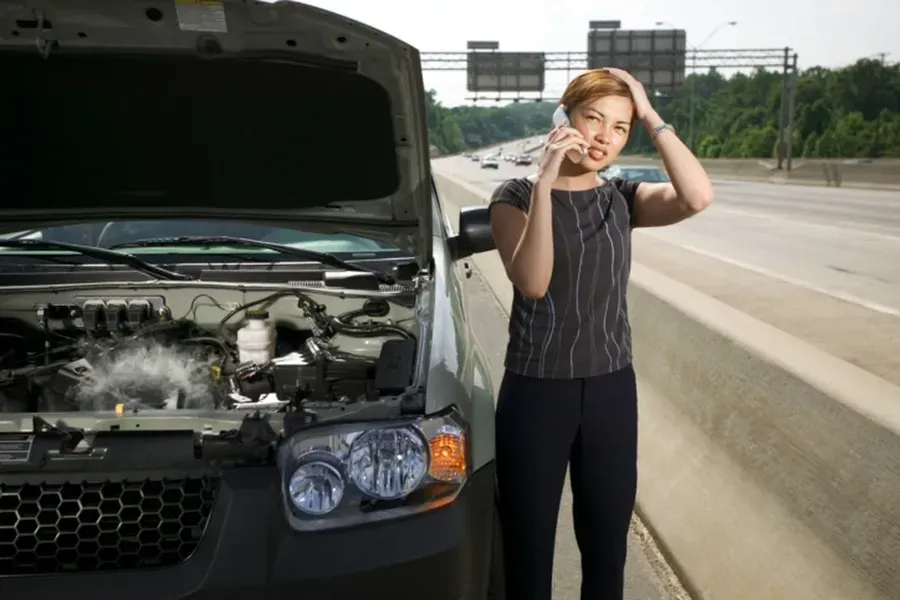
Without roadside assistance, small issues can turn into major delays. Drivers may wait hours for help or pay high emergency fees. Some rely on unknown tow operators who lack clear pricing. This often leads to disputes and unexpected charges. Poor phone signals can make searching for help harder. These problems grow worse at night or in remote areas. Lack of planning creates risk for drivers and passengers.
- Long wait times for towing
- Unclear pricing and surprise fees
- Unsafe roadside conditions
- Limited help in remote locations
How Vehicle Support Services Usually Work Step by Step
Knowing the process helps you act fast during a breakdown. Most vehicle support programs follow a simple flow. You contact a service number and share your location. A dispatcher confirms the issue and sends help. Understanding each step saves time and reduces confusion.
- Call the service line or use a mobile app
- Share vehicle type and problem details
- Confirm your exact location
- Wait safely while help arrives
- Receive on-site help or towing
Best Practices for Using Vehicle Help Programs Wisely
Preparation improves results during a roadside event. Keep contact details saved on your phone. Review service limits before travel. Many plans cap towing distance or service calls. Store emergency items in your car. Simple steps protect you and speed up assistance.
- Save service numbers before travel
- Check towing distance limits
- Understand covered services clearly
- Keep reflectors and flashlights in the car
Industry Standards and Service Expectations Drivers Should Know
Vehicle support providers often follow state and insurance guidelines. Tow operators must meet licensing rules and safety standards. Response times vary by area and traffic. Many providers track arrival times and service quality. Reputable plans share clear terms and pricing limits. Transparency builds trust and protects drivers from misuse.
Cost Factors and Value Considerations for Drivers
Pricing depends on coverage level and service limits. Basic plans cost less but offer fewer benefits. Premium options include longer tows and more service calls. Compare annual fees against possible emergency costs. One unexpected tow can exceed yearly plan fees. Understanding value helps you choose wisely.
Making Informed Choices for Dependable Roadside Support
Choosing the right coverage starts with understanding real needs. Compare benefits, limits, and response expectations. Located in Lanham, MD, we understand driving conditions and local risks. Nkerecam Towing LLC focuses on clear service details and dependable response. Call (240) 938-3714 to discuss coverage options and prepare for safer travel with confidence.