
Understanding What Happens When Your Vehicle Cannot Be Driven
An accident can stop your day in seconds. Your car may not move. Traffic may build fast. Safety risks can rise. Many drivers feel confused in this moment. Help needs to arrive quickly and safely. This is where professional roadside transport becomes critical. It protects you, your car, and other drivers. Knowing how this support works helps you act faster. It also reduces stress and costly mistakes after a crash.
Immediate Safety Support With Disabled Vehicles
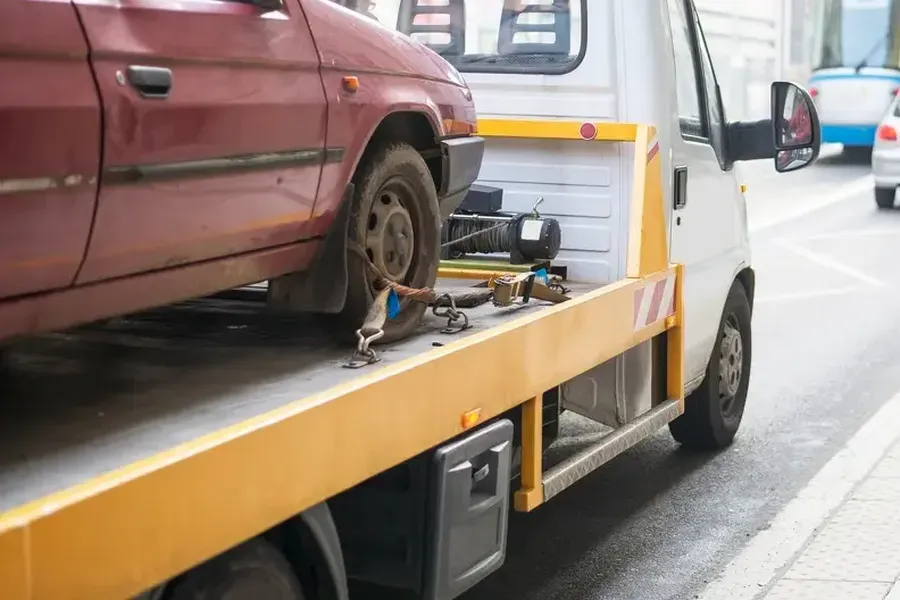
After a crash, the first priority is safety. Car towing services help by removing damaged vehicles from active lanes. This lowers the risk of follow-up accidents. Operators place warning equipment and load vehicles in controlled ways. Flatbed trucks avoid dragging broken parts. This matters when axles or steering fail. Fast removal also helps emergency crews clear scenes sooner, which restores traffic flow.
Relief From Stress During A High Pressure Situation
Crashes create stress even without injuries. Calling car towing services gives you one clear next step. Dispatch staff guide you through location details and timing. Many providers work with police scene rules. This coordination prevents tickets or delays. You avoid guessing what to do next. That mental relief matters when focus is low.
Key Benefits That Go Beyond Moving the Car
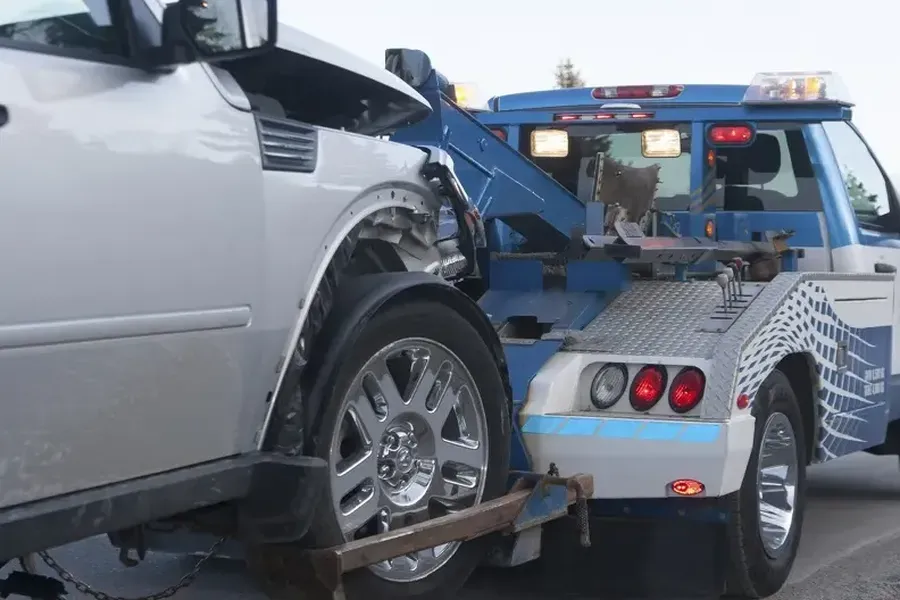
Towing support does more than transport vehicles. It protects your property and your time. Quality operators follow set loading rules and damage checks.
- Prevents extra damage during transport
- Moves vehicles to repair shops or safe storage
- Helps clear roads faster for public safety
- Supports insurance documentation needs
Common Problems Drivers Face After Crashes
Many drivers face the same issues after accidents. Cars may leak fluids or have locked wheels. You may not know where to send the car. Some areas restrict roadside parking. Night crashes add visibility risks. Without guidance, delays grow. These problems can increase fees and cause frustration when choices matter most.
Step by Step Process for Getting Help
Knowing the basic process helps you stay calm. Each step serves a purpose. The goal is safe and legal vehicle removal.
- Move to a safe location if possible
- Share exact location details with dispatch
- Confirm vehicle condition and wheel damage
- Choose a repair shop or storage site
- Review drop off confirmation
Best Practices That Protect Your Vehicle
Smart choices after a crash reduce future costs. Small actions make a big difference.
- Take photos before loading begins
- Remove personal items from the car
- Ask about flatbed use for severe damage
- Confirm hours and storage fees early
Regulations and Industry Standards That Matter
Towing is regulated at state and city levels. Operators often need licenses and insurance. Trucks must meet safety inspection rules. Many regions set fee limits for accident removals. Knowing this protects you from overcharges. Reputable providers follow these rules and explain them clearly.
Understanding Costs and Value After an Accident
Costs vary based on distance and vehicle condition. Time of day can also affect price. Value comes from damage prevention and time saved.
- Pros: fast response, reduced stress, safer handling
- Cons: higher cost for heavy damage or night calls
Next Steps for Fast and Reliable Assistance
Located in Lanham, MD, we focus on fast response and clear communication. We support drivers during stressful moments with safe vehicle handling. Nkerecam Towing LLC is ready to coordinate with insurers and repair shops as needed. Call (240) 938-3714 to request help and get clear answers when timing matters most.